





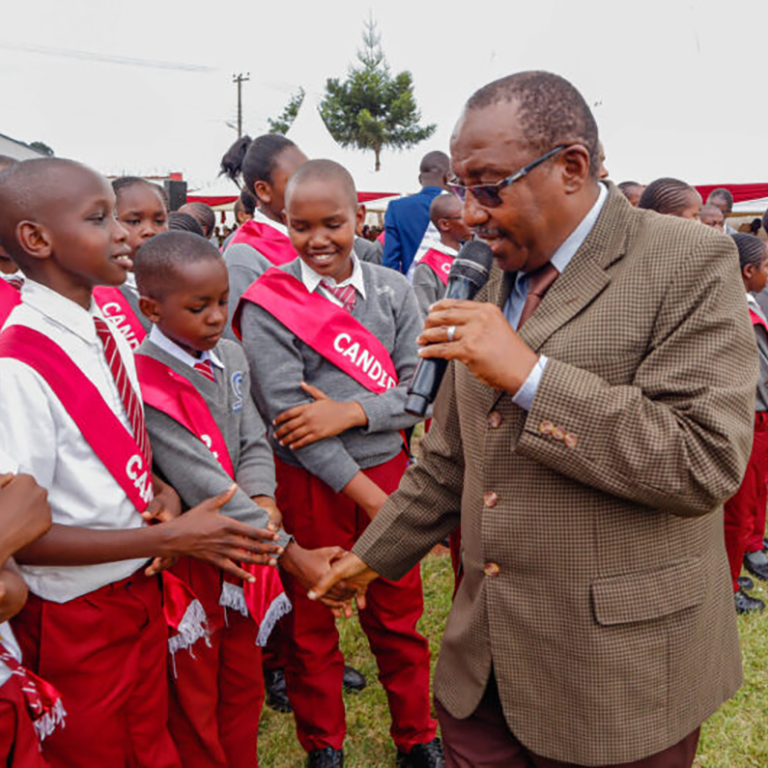


Starting primary school is an exciting milestone in a child’s educational journey. It marks the beginning of new experiences, opportunities for growth, and the development of important academic and social skills. Preparing children for this transition helps build confidence, reduces anxiety, and creates a strong foundation for a positive and successful learning experience.
School readiness goes beyond knowing how to read, write, or count. It also involves developing emotional, social, and practical skills that enable children to adapt comfortably to a structured learning environment. Children who feel confident, independent, and prepared are more likely to enjoy school and participate actively in learning activities.
Developing communication skills is an important part of preparing children for primary school. Encouraging children to express their thoughts, ask questions, and engage in conversations helps them build confidence and develop language skills that support classroom participation and learning.
Establishing routines before school begins can also make the transition easier. Regular schedules for waking up, meals, play, and bedtime help children become familiar with structure and develop habits that promote responsibility and time management. Consistent routines also provide a sense of security and predictability that supports emotional well-being.
Encouraging independence is equally important. Simple activities such as organizing personal belongings, dressing independently, following instructions, and completing small tasks help children develop confidence and self-reliance. These experiences prepare learners to take responsibility for themselves and adapt more easily to school expectations.
Social and emotional development plays a significant role in school readiness. Opportunities to interact with other children through play and group activities help learners develop important skills such as sharing, cooperation, patience, and empathy. Learning how to manage emotions and build positive relationships contributes greatly to a successful transition into primary school.
Reading together and engaging in playful learning activities can also help prepare children academically. Storytelling, drawing, counting games, puzzles, and creative activities nurture curiosity, improve concentration, and encourage a love for learning. These experiences provide valuable opportunities for children to develop foundational literacy and numeracy skills in enjoyable and meaningful ways.
Parents play an essential role in supporting their children’s transition to primary school. Offering encouragement, maintaining positive conversations about school, and celebrating small achievements help children approach this new stage with excitement and confidence. A supportive home environment reinforces the importance of learning and helps children develop a positive attitude toward education.
At Fountain Schools, we understand that every child is unique and deserves a nurturing and supportive beginning to their educational journey. Through learner-centered approaches, caring educators, and engaging learning experiences, we create an environment where children feel safe, valued, and inspired to learn. We are committed to helping every learner transition smoothly into primary school and begin their journey toward academic excellence, personal growth, and lifelong success.